

Last
month we created a preliminary planting plan, defining the characteristics
of ground, foreground, mid-ground and
background plants and placing representative plants on the map. If you didn’t read last month’s post, take
the time to read it now: http://mother-natures-backyard.blogspot.com/2014/08/designing-your-new-california-garden-11.html
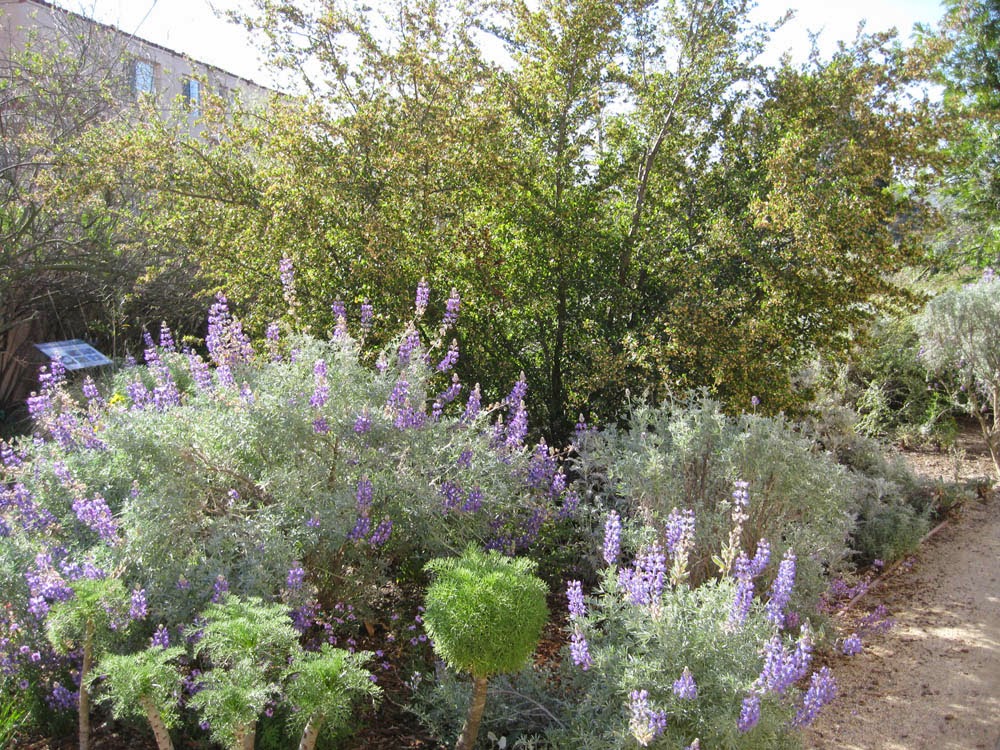
This
month we help the gardeners at 112 Willow St. select plants for their new Quiet/Meditation
and Butterfly Gardens. Along the way
we’ll discover some good resources on gardening with California native and
non-native plants. In November
(2014) we start a new series, ‘Maintaining Your New California Garden’,
beginning with garden installation.
If you’re just joining the ‘Designing Your New California
Garden’ series, we suggest starting at the beginning (July 2013 - http://mother-natures-backyard.blogspot.com/2013/07/designing-your-new-california-garden-1.html)
and working forward. The monthly
activities will help you design an attractive, functional, sustainable and
water-wise garden.
Introduction
One
of the more challenging aspects of garden design can be selecting the plants. There are so many plants to choose from, even
amongst the natives. And most homeowners have only a limited knowledge of them. It’s no surprise that new designers feel
bewildered, particularly if they believe
that plant choice is the first step in the design process.
In
Designing Your New California Garden, we approach plant selection in a whole new
way. We discuss our philosophy in the
first posting (July/2013). In the past,
gardeners were taught to choose the plants, then amend garden conditions to
suit the plants. This sometimes worked just
fine, but was not sustainable. The New
California Garden begins with the conditions that already exist; plants are
chosen based on their suitability for those conditions.
This
actually makes plant selection a whole lot easier. By defining the Summary Characteristics of
the plants for each garden area (as you did last month) you’ve already done
most of the work. The Summary Characteristics allow you to eliminate unsuitable
plants and focus on those with the best chance of thriving and bringing you
joy. It’s just a matter of finding plants that meet
your criteria.
Helpful
Resources
Many
gardeners like to read about - and see pictures of - candidate plants. Several types of resources can be helpful. Be
sure to choose those that are appropriate
for the geographic area in which you garden. Whether print, on-line or human resources,
it’s best to determine where the author actually works and gardens. His/her experiences and advice likely reflect
the area where they garden.
Native
plant resources are often aimed at gardeners in a particular climate or geographic
region. Remember that watering, pruning
and other advice may be specific to a geographic area. For example, a plant described as needing
‘occasional water’ in Northern California may require more frequent irrigation
in Southern California, with half the precipitation. And Fall pruning is often done later in S.
California, to avoid hot, dry conditions not experienced further north.
If
you live some place other than Southern California, we recommend seeking out
the native plant society in your area. They
often have people who can advise on garden design and answer questions. Native
plant groups/nurseries may have websites or newsletters that recommend locally
appropriate plants and other resources.
You may want to attend classes or
regular meetings to learn more about local native plants.
Print Resources
(including e-books)
If
you live in California you’re in luck.
Many excellent books on gardening with California plants have been
published in the past 20 years. Some are now available in libraries or as
e-books. We particularly recommend the following for
the beginning garden designer:
·
Reimagining the California
Lawn: Water-conserving Plants, Practices, and Designs – C. Bornstein,
D. Fross, B. O’Brien [ISBN: 978-0-9789971-2-0]
·
California
Native Plants for the Garden – C. Bornstein, D. Fross, B. O’Brien [ISBN 0-9628505-8-6]
·
The
Southern California Native Flower Garden: A
Guide to Size, Bloom, Foliage, Color, and Texture – S. Van Atta [ISBN-13:
9781423603283 ; ASIN: B002KQ651A]
·
Landscaping
with Native Plants of Southern California – G.O. Miller [ISBN: 0760329672 / ISBN-13:
9780760329672 ; ASIN: B003M5I8XG]
· Designing California Native Gardens: The Plant Community
Approach to Artful, Ecological Gardens – G. Keator, A. Middlebrook, P. Farber [ISBN:
9780520251106]
·
The California Landscape
Garden: Ecology, Culture, and Design – M. Francis, A. Reimann [ISBN: 0520217640; ISBN13: 9780520217645 ]
·
The
California Wildlife Habitat Garden: How to
Attract Bees, Butterflies, Birds, and Other Animals – N. Bauer [ISBN:
9780520267817]
· Gardening with a Wild Heart and The
Landscaping Ideas of Jays – Judith Larner Lowry [ISBN:
9780520251748] [ISBN: 9780520249561]
·
The California Native
Landscape: The Homeowner's Design Guide to Restoring Its Beauty and Balance – L. Warren and G. Rubin [ISBN-10: 1604692324; ISBN-13: 9781604692327]
A more
complete list of print resources for California native plants/gardens (with
short description of each book) is available at:
If
you plan to include non-native plants, be sure to consult gardening books
appropriate for your area. Choose authors who promote a sustainable/organic
gardening approach. In Southern
California, several good resources are:
·
The New Sunset Western Garden Book [ISBN-13: 978-0376039200 ISBN-10: 0376039205]
·
Western Garden Book of Edibles: The
Complete A-Z Guide to Growing Your Own Vegetables, Herbs, and Fruits [ISBN-13: 9780376039187]
·
52 Weeks in the California Garden – R. Smaus [ISBN-13:
9781883792114
]
·
Pat Welsh’s Southern California Gardening – P. Welsh, P.
Curtan [0877016291: ISBN-13: 9781452126982 ]
·
Pat Welsh's Southern California Organic
Gardening – P. Welsh [ISBN-13: 9780811868792]
On-line Resources for
S. California
The
list of on-line resources continues to expand with the increasing interest in
sustainable, water-wise and life-friendly gardening. If you live in western Los Angeles County
(or lowland coastal areas of S. California), we recommend the following
resources developed specifically for this area.
Resources for Western Los Angeles
County (also
available under the ‘Native Plant Gallery’ page on this blog):
Project SOUND Gardening
- Plant lists: http://nativeplantscsudh.blogspot.com/p/plant-lists-native-plants-for-western.html
Project SOUND Gardening
- Gallery of Native Plants
(pictures, gardening sheets and more): http://nativeplantscsudh.blogspot.com/p/gallery-of-native-plants_17.html
Native Plants of the
Palos Verdes Peninsula Suitable for Gardening: http://www.sccnps.org/plants-of-local-interest
Several
native plant nurseries also have useful resources appropriate for Southern
California gardeners:
Theodore Payne Foundation for Wildflowers
and Native Plants
- Plant lists: http://theodorepayne.org/education/plant-guides/
- Native Plant
Library: http://www.theodorepayne.org/mediawiki/index.php?title=California_Native_Plant_Library
Tree of Life Nursery
- Plant Respecifier
(CA native
plants to replace non-native species): http://www.californianativeplants.com/index.php/plants/planning_tools/plant-respecifier
- 30 Reliable CA
Native Plants: http://www.californianativeplants.com/index.php/plants/30-plants
- Plant Profiles: http://www.californianativeplants.com/index.php/plants/plant-profiles
Las Pilitas Nursery
- Local plants: http://www.laspilitas.com/groups/native-plants.html
- Plant lists,
plant library:
http://www.laspilitas.com/plants/plants.htm
El Nativo Nursery
Several
native plant nurseries and magazines have on-line
programs that recommend plants based
on your area and garden conditions:
If
you know the scientific or common name of a native plant, The California Native Plant Link Exchange (http://www.cnplx.info/query.html)
is a helpful resource. It provides
information on individual native plants, including nurseries offering it for
sale, associated plant species and helpful links to other resources. The Sunset
Magazine site and BeWaterWise.com (http://www.bewaterwise.com/)
also have useful descriptions of water-wise plants appropriate for S.
California.
General Considerations When Choosing Plants
1.
Select plants based on Summary
Characteristics criteria. The Summary Characteristics specify the attributes
of plants appropriate for your design, climate and yard. They literally describe the plants. When the
Summary Characteristics are thoughtfully defined, your plant selection is much,
much easier. If a plant doesn’t meet the
criteria - particularly the size and cultural criteria (soil type; light;
drainage) - then reject it. It’s that simple.
2.
Seriously consider the mature size
of the plant. In general, plants continue to grow until they reach their
normal mature size. This is true even if
you prune them. Be sure to choose the
right-sized plant for the area.
Native plants, particularly the
shrubs, tend to grow larger in gardens than in the wild. Assume that the described size underestimates
the true garden size; add 15% to the size.
For example, a plant described as having a 6 ft. diameter may actually
be closer to 7 ft (6 x 1.15 = 6.9 ft).
Give your native plants room to
grow. Except for in hedges, screens and mowed lawns, there’s nothing wrong with
a little extra space between plants. And
there’s nothing more frustrating – and futile – than wrestling with a plant
that’s too big for the area in which it must live.
3.
Choose plants with ‘added value’. If possible, choose a plant that gives you a
little something extra: fruit from a
shade tree; colorful flowers on a hedge shrub; seeds for hungry birds from a
perennial. Your space is likely
limited. Choose plants that provide the
most value for the space they occupy.
4.
When feasible, choose a local native
plant over a non-native. Depending
on your criteria, some plants will need to be non-native: some fruit trees;
common garden vegetables; flowering plants with special meaning to your
family. But in general, when deciding
between a native and non-native, we recommend choosing the native.
Natives have several
advantages. First, they are better suited
to your climate, soil, precipitation and other factors. They will need less
supplemental irrigation, soil amendments and other amenities. Second, they will often be much less prone to
pests and diseases. Natural deterrents
keep these problems in check, saving time, effort and money.
Third, these are the plants that local birds, insects and other living
creatures depend on. A ‘butterfly bush’ from Australia may not be effective
in California; its butterflies live in Australia. Native plants, their pollinators, browsers
and distributers have lived together for a long time. Keep the circle of nature intact – plant a
locally native plant. You’ll enjoy your
garden ecosystem more than you can possibly imagine!
5.
See the plant in a garden setting
before you buy. The internet is a wonderful tool for obtaining
pictures of plants. But seeing the plant
in a garden is even better. Native
plant gardens, botanic gardens, nurseries and local home gardens all provide opportunities
to observe candidate plants. Note
characteristics of the foliage, including the aroma. Observe the growth habit – will it really
grow into the shapely tree you envision? What birds and insects visit it? Are the flowers the right color in real life?
6.
Seriously consider the disadvantages
of candidate plants. All plants have characteristics that may be disadvantageous,
depending on their use. For example, a
plant that spreads via runners might not be appropriate for a small mixed
garden. The same plant would be perfectly
suitable if contained or used as a ground cover. A plant may have an unusual odor when wet; or
drop leaves, berries or flowers. These could
be disadvantages in certain settings.
Ask local gardeners, nursery staff
or members of a local gardening club/native plant society; many will be happy
to share their knowledge and experience. Local gardeners have lived with the plants and
understand their benefits and drawbacks.
They sometimes are better resources than nursery staff.
Learn to read between the lines of plant
descriptions. Look for phrases like
‘invasive roots’, ‘invasive plant’, ‘don’t use near water/sewer lines’, ‘spreader’,
‘rhizomes’, ‘vigorous growth’,
‘difficult’, ‘short-lived’ and ‘re-seeds freely’. These characteristics may make the plant inappropriate for your needs (or they may
actually be advantages).
7.
Consider the care needed. Some
plants need more care than others. Mowed
lawns, clipped hedges, plants with leaves/fruits that need raking and those
with unusual cultural requirements all come to mind. Keep the long-term care requirements in mind
when choosing plants. You may decide
that a little extra time and effort will be worth it – or not.
8.
Take your time. It’s
best to give yourself several months to choose your plants; some gardeners need
even longer. Time spent choosing the
right plants is time well spent.
If you feel overwhelmed or bogged
down, take a break for a few days.
You’ll come back with a fresh perspective; the plants may almost seem to
select themselves. That’s the old
creative process at work.
Don’t
worry if you can’t find the right plant for a specific need. You may need
to consult an expert. It’s worth
the time to seek out the advice you need.
Don’t worry about installing all the
plants at the same time. There’s no need
to fill every space immediately in many situations. It’s worth taking the time to choose plants
wisely. A space waiting to be filled is
fine; a landscape planted with the wrong plant – just to get it in the ground -
is less so.
9.
Ask for help. We’ve all been there – you need a
specific type of plant and can’t find one.
Or you feel overwhelmed by your lack of knowledge of native plants or
fruit trees. That’s the time to ask an
expert (or several) for help.
Take your plans to your local nursery
or club/society for advice. Or take a
garden design class or workshop (see our June/2014 posting). Fresh eyes – including those of fellow
gardeners – can see novel solutions to your design dilemmas. The best designers seek advice and helpful
comments.
10. Have
fun; don’t worry that your choices are
forever. Some plants (large trees; sod lawns;
long hedges; etc.) are expensive to replace. Others – for example very invasive
plants – can be difficult to remove. But
most other plants can be replaced if they don’t work out – or you just don’t
like them.
Have fun. Consider using a plant that’s a little
unusual – or might not work out in your climate. Use a short-lived plant that you adore,
knowing that it will need to be replaced periodically. Garden design should be enjoyable - and most
choices aren’t forever.
Choosing
Plants: examples from the garden at 112 Willow Street.
In
July and August (2014) we defined the plant Summary Characteristics for two
garden ‘rooms’ in the garden at 112 Willow Street: the ‘Quiet/Meditation
Garden’ and the ‘Butterfly Garden’.
Now
the gardeners need to choose several plants for the Quiet/Meditation
Garden. They begin by searching for a
vine/climber that meets their Summary Characteristics.

Because
they live in Western L.A. County, they consult the Project SOUND Gardening
lists (http://nativeplantscsudh.blogspot.com/p/plant-lists-native-plants-for-western.html),
which feature native plants appropriate for their area. They are delighted to find a list for Vines
& Climbers.

They
access the list and it’s just what they need.
The list provides basic cultural requirements (light; soils; water) and
the size, flower color and flowering season for a number of native vines/climbers. This makes it easy to reject plants that
don’t meet their selection criteria.

The
gardeners are surprised to learn of several native honeysuckles and
grapes. They look more closely at the
honeysuckles, which do well in low-light situations. All five would grow fine in their soil
(clay-loam). The Orange and Chaparral
honeysuckles need a bit too much water, so these are eliminated.
The
gardeners now need to learn more about the Western and Southern
honeysuckles. They access the Project
SOUND Native Plant Gallery (http://nativeplantscsudh.blogspot.com/p/gallery-of-native-plants_17.html), select ‘L’ for Lonicera and open the file (first click on ‘save
this presentation’; then choose to ‘open’).
Oh joy, garden information sheets and additional photos are available
for both honeysuckles!

The
Southern Honeysuckle looks made to order.
The plant requirements are perfect for the location. The plant has pretty, aromatic flowers that
attract hummingbirds and occasional butterflies. The birds eat the fruits – or the gardeners
can use them themselves (with a bit of sweetener). The plant fits the ‘Food for all’ theme and seems
an attractive addition to the Meditation Garden.


After
reviewing the pictures, the gardeners are sold on the Southern honeysuckle. The
vine is evergreen, can be trained to grow on a trellis and has medium-dense
foliage. They want to observe this plant
in a garden, but are confident in their first choice for a vine. See
how easy it is, when you know what you’re looking for? All the work spent defining the plant
characteristics really pays off.
The
gardeners want to be sure that the plant is available in S. California native
plant nurseries. Both the Project SOUND Plant
Lists and the Information Sheets list Plant/Seed sources for each plant. The numbers refer to a list accessed through
the ‘Where to buy native plants’ page: http://www.slideshare.net/cvadheim/southern-california-native-plant-seed-sources-1213
. Fortunately, the Southern honeysuckle
is readily available at nurseries such as Natural Landscapes, Theodore Payne
Foundation and others. Southern
honeysuckle seems a good choice.
Choosing
low groundcover plants presents more of a challenge. The gardeners first focus on a very
low-growing plant for around the walkway pavers. This area sets the tone when entering
the Quiet/Meditation Garden. It gets a
little more sun than other parts of this garden room. The plants should be very
low (6 inches or less), evergreen and aromatic if possible. They must take occasional trampling.

The
gardeners first consult the Project SOUND lists (Herbaceous Perennial Groundcover
Plants - http://www.slideshare.net/cvadheim/herbaceous-perennial-groundcovers412).
The list reveals a few possibilities but
a quick look at the garden information sheets is discouraging - these
aren’t what they had in mind at all! The gardeners will need to consider non-native
alternatives. If chosen according to the
same criteria, the non-natives should work just fine in conjunction with the
native plants.
The
gardeners search the Sunset Garden plant finder for a groundcover that is
low-water use, part-shade tolerant and 0-1 ft tall. The plant finder returns a number of options,
some readily rejected. But two plants
look interesting: Creeping thyme
(Thymus polytrichus britannicus) and
Wooly thyme (Thymus serpyllum). Both are evergreen, scented and can grow
around pavers.
The gardeners
like the look of the Creeping thyme; a check (on-line) of local nurseries shows
it’s also readily available. They tentatively
add Creeping thyme to their plant list. They will search the internet for any
disadvantages and/or alternatives to their choice. They like the idea of using an herb – it
helps tie this area to the ‘Vegetable Garden’ and the ‘food for all’ theme.

Last month, the
gardeners defined the Summary Characteristics and mapped representative plants
for the Butterfly Garden. Habitat
gardens – those providing food and other needs for living creatures – require
careful planning to insure appropriate plant
selection. Plant lists for several types of habitat
gardens are included in the Project SOUND Gardening lists.
In the case of
112 Willow Street, the gardeners want to provide food for both adult
butterflies (nectar sources) and for caterpillars (larval food sources). A quick look at the internet tells the
gardeners that caterpillars can be picky eaters – they often need specific food
plants. That’s why native plants are
usually better butterfly plants than non-natives. They are more likely to provide suitable
food.
Fortunately, butterfly
plant lists are available for S. California gardeners, including several among
the Project SOUND Gardening lists (under ‘Habitat Plants’). We’ve
also provided links on the ‘native plants for butterfly gardens’ page: http://mother-natures-backyard.blogspot.com/p/native-plants-for-butterfly-gardens.html.
If the
gardeners were interested in providing habitat for certain butterflies, the ‘South Bay Butterflies and Their Food
Sources’ list would be most helpful. Since they want to attract as many species as
possible, they focus on the ‘Butterfly – Adult Food’ and ‘Butterfly – Larval
Food’ lists.
The first
plant they select is the large background shrub, which needs to be:
- 8-9 ft wide, maximum
- Not too tall (8-10 ft) unless narrow
- Evergreen
- Somewhat neat appearance
- Attract the most butterflies (or different
from those attracted by smaller plants)
The Adult and
Larval plant lists contain a number of plants in the Tree and Large Shrub
sections. Some plants occur on both
lists; those might provide the most value for the garden, but only if they meet
the other criteria.
Many
Trees/Shrubs can be eliminated because they are too large or too tall. Others are inappropriate for the soil, water
and light conditions. The gardeners end
up with the following list of possibilities:

But how to
choose amongst them? At this stage, comparing
photographs of the plants can be extremely useful in eliminating some
competitors. Size, foliage color and shape can easily be evaluated
and compared.

The gardeners
create a pictorial line-up of the 6 top contenders, using photos from the internet. They immediately realize that Ceanothus cuneatus (a more local
Ceanothus than those on the lists) is far too big for their space. It is
eliminated. The Scrub Oak (Quercus berberidifolia) is a ‘little too
scraggly looking’, so it too must go.
All the rest appear appropriate.
They next
create a table to help them clarify the differences between the last four
contenders. The table includes the key
features that will help them differentiate between the options.

In terms of
providing butterfly habitat, Frangula
californica (California coffeeberry) and Rhamnus ilicifolia (Hollyleaf redberry) are the clear winners. The Redberry is probably a better size,
although Coffeeberry cultivars deserve a closer look. The gardeners e-mail their local native plant
garden for advice on where they can see these plants in a garden. At the very least, they want to see them in a
nursery before making their final selection.

The 6 foot
shrubs, used as shorter background plants, will supply much of the butterfly
nectar. With some slightly smaller
mid-ground shrubs, they must provide foliage color and, if possible, a long
bloom season.
After
consulting the Project SOUND Adult Butterfly list, the gardeners create a list
of possible native plants. Their list targets
Salvias (sages) and Buckwheats (Eriogonum
species), both of which are used by many species of butterflies. They learn that some non-native shrubby herbs
are also good nectar sources; these might serve double duty as herbs and
butterfly plants. They add several to the list.

The Black sage
(Salvia mellifera) and Giant
buckwheat/St. Catherine’s lace (Eriogonum
giganteum), both fine butterfly plants, are rejected as too big. The rest are all possible contenders.

Reviewing pictures
of the native Salvias (Sages) is quite helpful.
The different sages really do look
different. When their features are
compared (below) it’s clear that all will be good butterfly plants.

The gardeners need
to select two Salvias. If they choose
one with gray-green foliage, they can increase the variety in their Back/mid-ground
plantings. The gardeners will want to
see the plants in person – and smell their aromas – before making their final
selections.

The other potential
plants for the mid-ground all look somewhat different from the sages. The gardeners are pleased! Aesthetically, the foliage colors, shapes and
growth habits of each plant would work well with the salvias, providing a
little added variety and contrast. But
will they fulfill their mission as butterfly plants? Are there disadvantages to
any of them? The gardeners review the
Plant Information Sheets and internet resources.

The ‘Dana
Point’ cultivar seems just a bit big for the limited space. A call to the local
native plant nursery confirms that this cultivar will indeed become large! Better to stick with the straight species
California buckwheat (Eriogonum
fasciculatum).
The Rosemary,
while a wonderful herb and bee/hummingbird plant, doesn’t provide butterfly
habitat; it must be rejected. The gardeners
substitute Thyme, a different look but much better butterfly nectar source
(they just searched for ‘herbs for butterfly garden’ on the internet). The Thyme will repeat the Creeping thyme used
in the Quiet/Meditation Garden. And the
leaves will be welcome in the kitchen.
By
this time you probably understand how to approach plant selection. The key is to first develop a good list of
Summary Characteristics. That defines
what you’re looking for. Next, consult
local resources to choose the actual plants.
If good resources exist for your
area, it’s easy to reject inappropriate plants and focus on the best
alternatives. This is true whether
you’re choosing locally native plants or non-natives that do well in your area.
We’ve
focused on plants and resources for Western S. California. But the list of Summary Characteristics could
be used – with slight modification - for any similar climate and garden. The plant choices, of course, will be
different in Australia, South Africa or Portugal. But the list of Summary Characteristics – the
basis on which the plants are chosen – would just need a little ‘tweeking’ to
reflect soil and other local conditions.
Once
you’ve narrowed the list of contenders, we suggest creating a photo
line-up. Seeing the alternatives
side-by-side can be quite revealing.
Some alternatives can be rejected immediately – they simply won’t work
with the space or design requirements. Or
you just think they’re ugly!
Once
you’ve compared the contenders visually, create a table of the key
characteristics for each remaining plant.
As you’ve seen, this can be extremely helpful in eliminating
inappropriate choices. Once again, the
principle is to limit the number of contenders and then compare them – head to
head.
Finally,
take your (limited) list of candidates and learn more about them. Visit a garden or nursery to see, smell and
touch them. Talk to other gardeners
about their experiences with them.
Consider carefully their mature size and other possible
disadvantages. Check to see whether the plants are available
for purchase.
Once you’ve
developed a final plant list, revise your planting plan to reflect your final
plant selections. At the very least,
modify your map plan to reflect the true sizes (and numbers of) the selected plants. You may also want to use photos of the
actual plants to revise your elevation plan.
This extra step allows you to fine-tune the planting plan to provide the
best arrangement in terms of contrast, variety and the other design principles.
If you want
to see the final plant list and planting plans for the Butterfly Garden at 112
Willow Street visit http://www.slideshare.net/cvadheim/beautiful-butterflies-2014
. You
will learn more about why certain plants were chosen and the types of
butterflies that will likely visit the garden.
You’ll be surprised and inspired by what’s possible in this small
garden.
We
also recommend the following slide show, in which we design a hummingbird
garden featuring repetition: http://www.slideshare.net/cvadheim/planning-hummingbird-heaven-wise-hummingbird-plants-2014-final
For
additional slideshows, covering a variety of native plant gardening topics, see:
http://nativeplantscsudh.blogspot.com/p/out-of-wilds-and-into-your-garden-talks.html
See you in November, as we begin our new series, Maintaining
Your New California Garden.
We
value your comments (below). You can
also contact us directly at mothernaturesbackyard10@gmail.com.




.JPG)


.jpg)


.jpg)


